
How CRM Builds Client Confidence in Your Brand
Trust is the foundation of every successful business relationship. Whether you’re a small startup or an established company, your clients want to feel valued, understood, and supported. Building that level of confidence takes more than great products or promises — it requires consistency, communication, and care. That’s exactly where CRM systems come in.
Paid CRM Systems Vs Internal Excel Monitoring
If you’ve ever run a growing business, you’ve probably hit the same question every founder faces at some point — should I invest in a proper CRM system, or just keep using spreadsheets? On the surface, Excel feels familiar, flexible, and free. But as your customer base grows and your operations become more complex, that simple spreadsheet starts showing cracks. This is where paid CRM systems prove their worth.
The Importance of CRM for Business
Every business, no matter the size, thrives on one simple truth — relationships drive revenue. Whether you’re running a startup, an online store, or an established company, your success depends on how well you understand, manage, and nurture your customers. That’s exactly where CRM — Customer Relationship Management — comes in.
How to Speed Up Your Website Without Expensive Software
You don’t need costly subscriptions or enterprise tools to make your website faster. In fact, many of the most effective performance improvements are completely free — all it takes is a bit of know-how and attention to detail.
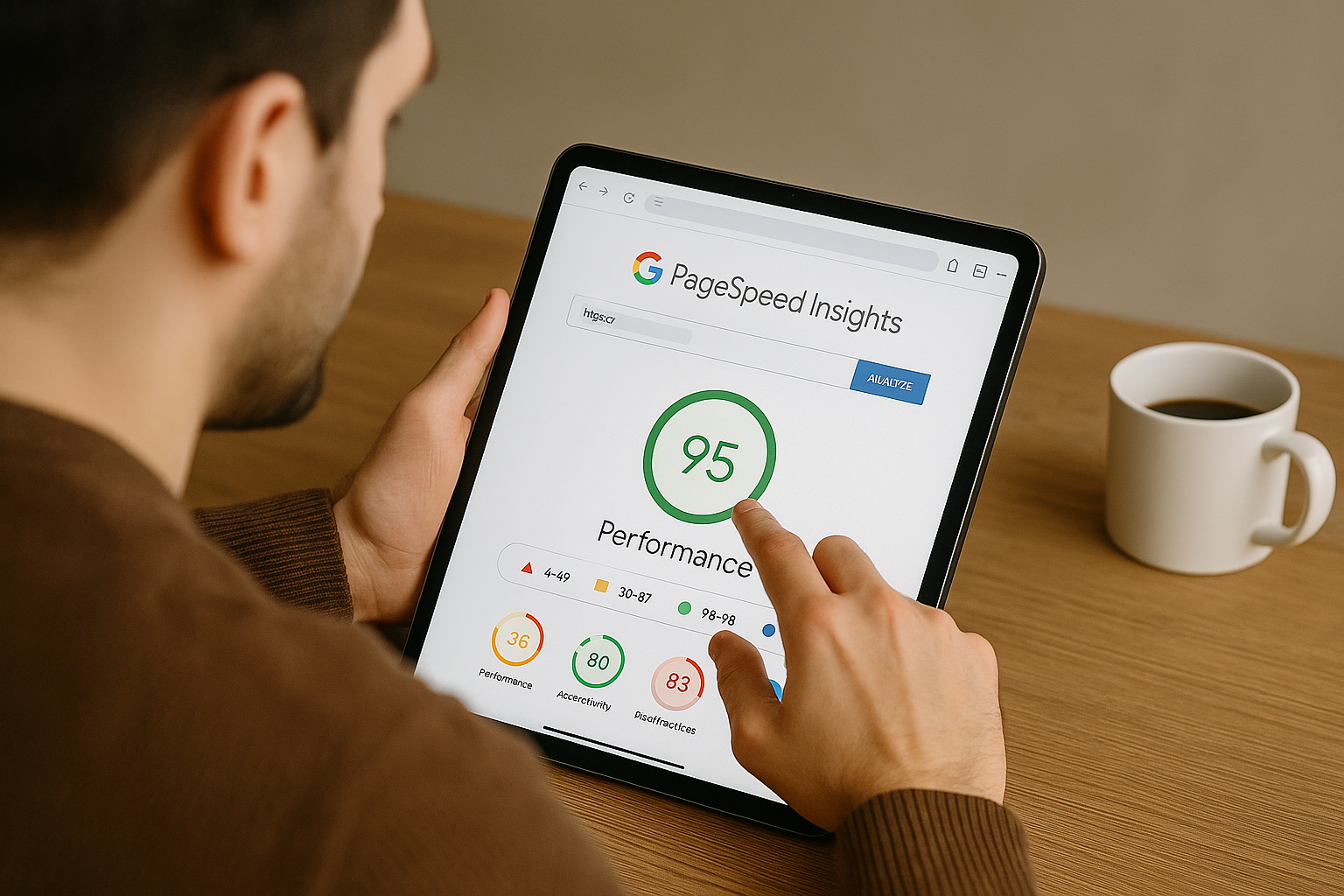
Why Google PageSpeed Insights Is a Must for Online Success
In the fast-paced digital world, speed isn’t just a luxury — it’s a necessity. When your website loads slowly, users click away, conversions drop, and your search rankings suffer. That’s why tools like Google PageSpeed Insights (PSI) have become essential for any online business that wants to succeed.

How Businesses Must Stay Ready for AI Integration
Artificial Intelligence is no longer a futuristic buzzword — it’s today’s reality. From marketing and sales to logistics and HR, AI is transforming how businesses operate, compete, and grow. Yet while the benefits are enormous, successful integration isn’t about simply adopting new tools — it’s about preparing your business, culture, and strategy to work with them effectively.

Designers vs AI: Finding the Balance Between Creativity and Technology
The rise of artificial intelligence in design has sparked one of the most debated questions in the creative world — will AI replace designers? The short answer is no. But the longer, more interesting answer is that AI is changing what it means to be a designer entirely.

The Power of AI Design Tools for Your Online Business
Discover how AI design tools like Canva AI, Framer AI, and Adobe Firefly can help your online business create stunning visuals, websites, and branding faster than ever.
Automated and Productivity Workflow Tools That Use AI
Automation has already transformed the way we work — but when artificial intelligence enters the picture, it changes everything. AI-powered workflow tools take automation a step further by not just performing repetitive tasks, but learning, predicting, and adapting to your business needs. They’re redefining how startups, agencies, and enterprises manage productivity, communication, and decision-making.
Top Workflow Automation Tools – Features and Use Cases for Startups
For startups, time is currency. When your team is small, your to-do list is long, and your budget is tight, every repetitive task can feel like an anchor slowing down progress. That’s why workflow automation tools have become essential for modern startups — they remove the manual busywork, streamline processes, and let founders focus on what matters most: growth.
The Power of Workflow Automation Software: Working Smarter, Not Harder
In today’s fast-moving digital economy, efficiency isn’t just an advantage — it’s survival. Businesses are constantly looking for ways to streamline operations, reduce manual effort, and eliminate bottlenecks. That’s where workflow automation software comes in. Once reserved for enterprise corporations, automation tools are now accessible to startups, freelancers, and small businesses alike — transforming how teams work every day.

Personal Hosting Servers vs Public Hosting Servers: What’s the Difference and Which Should You Choose?
When it comes to putting your website online, one of the biggest decisions you’ll face is choosing between a personal hosting server and a public hosting server. Both options serve the same purpose — keeping your website accessible to the world — but they differ significantly in performance, cost, control, and security. Understanding these differences is crucial for choosing a hosting environment that supports your goals, not limits them.
How to Ensure You Have a Backup If Your Hosting Goes Down
No website owner likes to think about it — but downtime happens. Even the most reliable hosting providers can experience outages due to technical failures, cyberattacks, or data center disruptions. When your website suddenly goes offline, you risk more than lost traffic. You risk losing revenue, customer trust, and potentially your entire database of content and leads. That’s why having a backup strategy isn’t optional — it’s essential.

Choosing the Right Type of Hosting for Your Website
Your website is the digital home of your business — and like any home, it needs a strong, reliable foundation. That foundation is your hosting. Choosing the right type of hosting is one of the most important technical decisions you’ll make, yet it’s also one of the most misunderstood.

Email Marketing vs Social Media Posting: Which Delivers Better Results?
In today’s digital landscape, businesses are constantly debating where to invest their time and resources — in growing their email list or building their social media presence. Both channels have their strengths, but they serve different purposes and deliver different results. The smartest marketers know how to balance them, but understanding the difference is the first step.

The Fine Line Between Clever Email Marketing and Spamming
Email marketing is one of the most powerful tools a business can use. It’s direct, personal, and — when done right — incredibly effective. But there’s a fine line between clever email marketing and spamming your audience. Cross that line, and you risk more than an unsubscribe; you risk your reputation, your deliverability, and your brand’s trust.

How to Build Trust and Engagement in the Inbox
In a world where inboxes are crowded and data privacy is becoming a front-page issue, adopting a privacy-first email strategy isn’t just smart — it’s essential. The same old tactics of broad-blast newsletters and high-volume mailing lists are under pressure. With new laws, changing consumer expectations, and stricter inbox filters, the businesses that win will be the ones that build trust first and send relevance second.
Smart Email Marketing: Turning Messages into Meaningful Connections
Email marketing isn’t new — but the way successful brands use it has changed entirely. Gone are the days of generic newsletters and one-size-fits-all campaigns. Today, smart email marketing is driven by data, powered by automation, and personalized through artificial intelligence. It’s about creating meaningful connections, not just sending messages
How to Use Keyword Clustering to Dominate Google
Learn how to use keyword clustering to improve SEO performance. Discover how grouping related keywords builds topic authority, prevents cannibalization, and boosts rankings.
Search Intent and Keywords – How to Match Content to User Needs
Search intent is the secret ingredient behind every successful SEO strategy. It’s not just about finding the right keywords — it’s about understanding what people truly want when they type those keywords into Google. In today’s AI-driven search landscape, matching content to intent has become the difference between ranking at the top or disappearing into digital obscurity